Essential
Strategy Beyond the Hockey Stick
The standout strategy book of the year. A sobering look at why corporate strategy is so rarely “rationally optimal”, and how human nature and organisational politics override the data.
The thread this year: groups are worse at seeing the future than they think, and the reason is as social as it is statistical. Strategy Beyond the Hockey Stick shows planning is a social game. The Status Game explains why. The Signal and the Noise and Uncertainty & Enterprise are about what to do instead. The Coming Wave was the year’s warning, and the Iliad the reminder that none of this is new.
Strategy Beyond the Hockey Stick
“The standout strategy book of the year.”
The standout strategy book of the year. A sobering look at why corporate strategy is so rarely “rationally optimal”, and how human nature and organisational politics override the data.
It took ideas I’d been circling for years and articulated them with clarity and kindness. The most powerful reframes weren’t about becoming happier, but about disentangling happiness from optimisation.
Recommended by my comrade in content JR. An essential lens on the hidden hierarchies that drive both our individual psyche and the internal dynamics of large corporates.
You’re carried through quantum physics and space-time on a lazy river of Rovelli’s words. Rare to find the most technical aspects of the universe treated with such lyrical beauty.
Long avoided. Finally read. Less about winning, more about cultural maintenance, humility, and standards that outlive individuals. And, grudgingly, still painful as a Welshman.
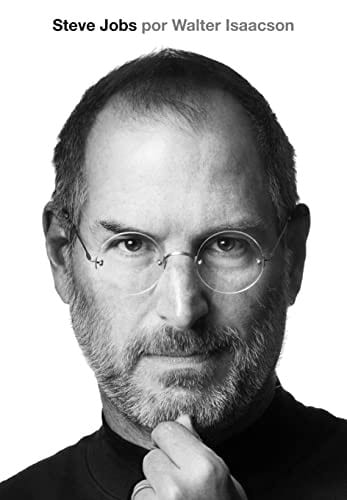
Not caring about being liked can produce extraordinary outcomes, and extraordinary damage. Neither inspirational nor condemning. Just honest.
Utterly captivating. Three thousand years on, the stage dressing changes. The psychology does not.
A solid exec-level primer on digital transformation. Nothing radical for those in the industry, but exceptionally well organised.
A clear articulation of output vs outcome. Not new, but essential.
It won’t change how you see the world, but it might change how you run a meeting. The value compounds only if you actually apply it.
Still provocative, still uneven, still worth reading. Its strength isn’t forecasting accuracy but thinking structurally about power and the erosion of the nation state.
Dry. Overlong. And probably necessary. The future described is as dangerous as it is plausible, so as Suleyman suggests, repetition may be an ethical imperative.
A raw account of one of my cycling heroes facing a terminal diagnosis. As performance disappears, meaning remains.
A masterclass in why most predictions fail. A fitting companion to the Cassandra Cup.

Like The Coming Wave: likely correct in its grim outlook, and repetitive in saying so.
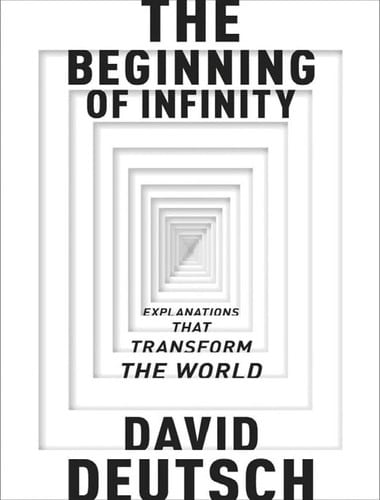
Dense and difficult, but worth the effort for its account of how human knowledge progresses.
Dense, niche, and a satisfying deep dive into how businesses navigate, and capitalise on, the unknown.
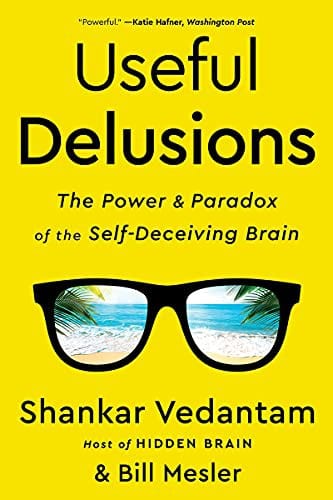
Why a little self-deception can be a functional tool for happiness and social cohesion.
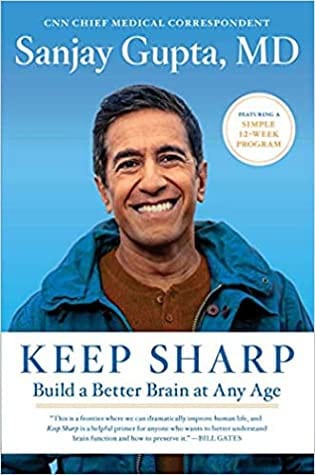
Practical ways to keep the engine running as it gets a little less efficient.
An adventure for the restless. Not useful, but satisfyingly motivating.
A few hundred pages of grievances offset by interesting anecdotes. Important points lost in excessive introspection.
Largely pseudo-self-help claptrap. The right person might find value in it at the right time. I did not.
Nothing matches. Which is, in its own way, a verdict.
The thread in 2024: what holds a group together, and what breaks it. The Art of Action on closing the gap between a plan and what people actually do. Killing Fairfax and The Chairman’s Lounge on what happens when boards and management stop holding each other to account. Isaacson’s Musk on what becomes possible, and what breaks, when someone stops needing to be liked. Four Thousand Weeks was the reminder that the time for any of it is finite.
The Art of Action
“The underpinning for good strategy, learned where everything is at stake.”
I’m not sure if I walked away in awe, disgust or pity. But the need to be liked is a powerful constraint on humanity.
Not because of the politics, but because it made 2024, and the temperature in America, make so much more sense.
The underpinning for good strategy, learned where everything is at stake. How to close the gap between plans, actions and results.
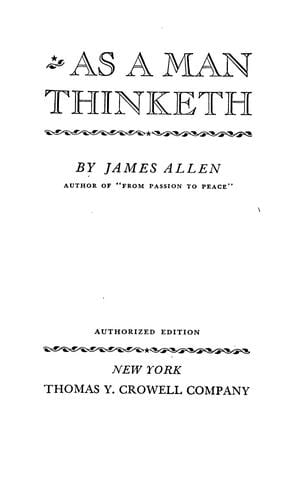
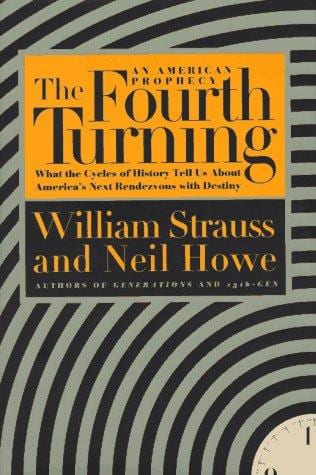
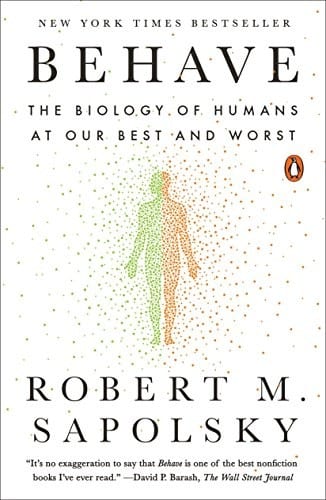
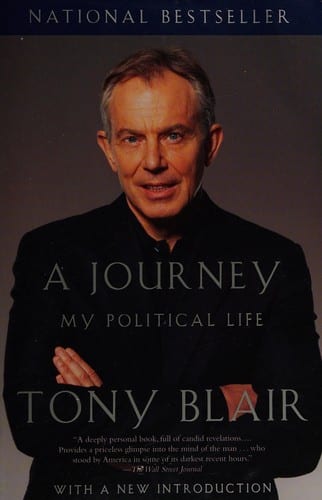

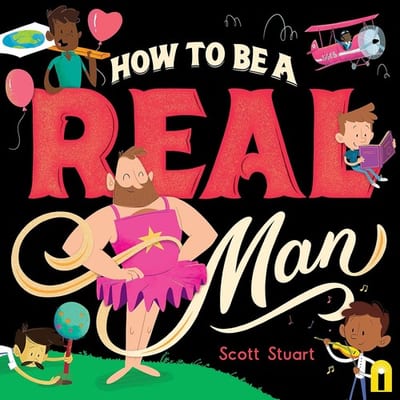
Bought for my three-year-old. A simple, important message about what strength really means.
After Dark Emu, the next logical read to (slightly) better understand Australia’s Aboriginal history.
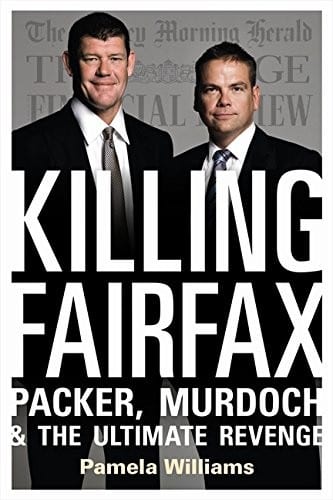
Picked up for a glimpse of “the room where it happened” for SEEK. A study in how even dominant companies come apart.
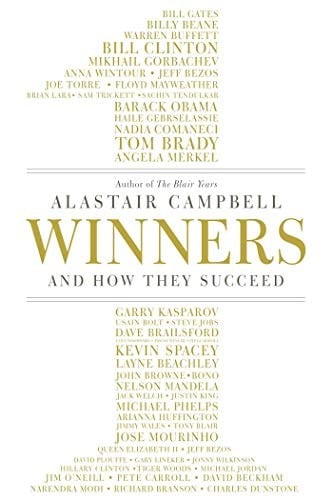
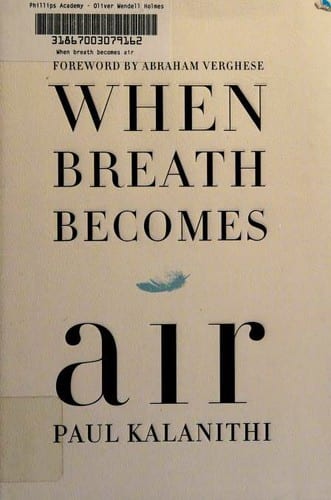
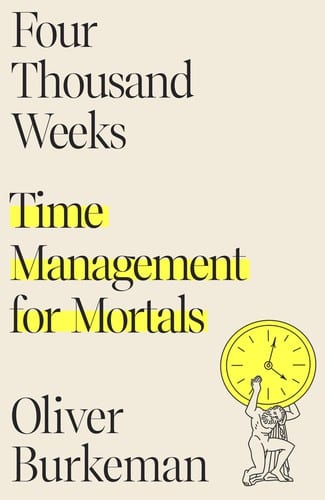
Listened to on a 300-kilometre ride to kill some time. Instead it confronted me with how little of it there is. Repetitive to read, but reflective in the ears.
On such an important issue, a surprisingly poor exposition.

A second reading, and always just as confronting.
Having heard him speak in Melbourne, I can confirm he is a much more interesting author than speaker.
Nothing matches. Which is, in its own way, a verdict.
2023 was about the stories groups tell themselves. Maps of Meaning on why myths matter even when they aren’t true. Deviate on how much of reality is perception. Good Economics for Hard Times on how much of what we “know” is wrong. Six Simple Rules on organisations that answer complexity with more process.
Good Economics for Hard Times
“Undermines every lazy statistic and political “fact” out there.”
Why are “geniuses” so often monstrous, and can we still enjoy what they made?
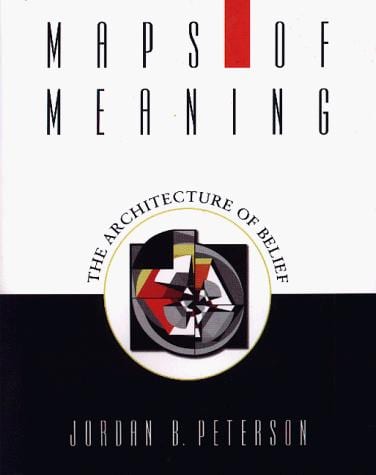
Myths may be nonsense, but the role they play in shaping social norms is profound. Without them, we may be losing our way.
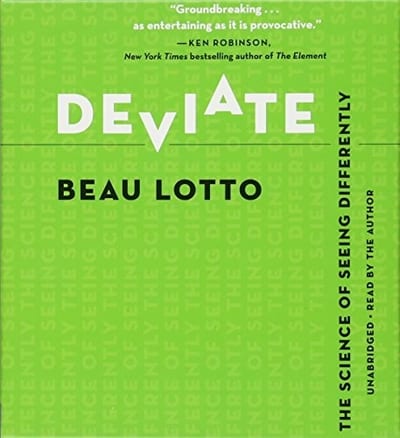
Is reality subjective? Philosophically and physiologically, yes.
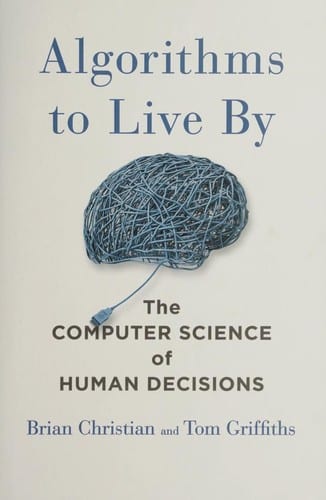
Whoever said computer science couldn’t be fun?
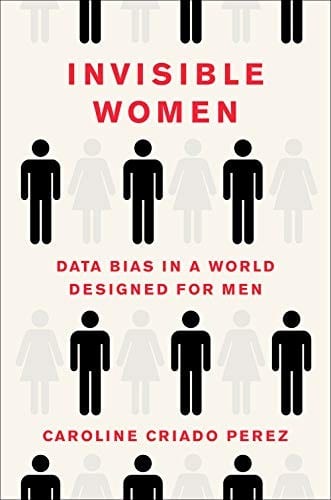
Unseen structural divides, from bathroom queues to car-crash survival rates.
Honest, provoking essays. What does it mean to be an ally?
Captain Doomsday returns with a not-all-that-enjoyable explanation of why we’re all screwed.
Two books from “opposing” ends of the discourse. Both angry and repetitive at times; both worth reading.
Societies get more introspective and fractious once they’ve solved for war, disease and nutrition.
You probably don’t know what you want, and you certainly don’t decide consistently towards it. I reviewed it for Dialogue.
Undermines every lazy statistic and political “fact” out there.
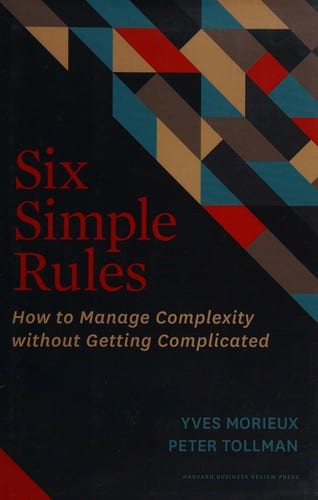
Large organisations answer complexity with complicatedness. How to avoid the trap.
Nothing matches. Which is, in its own way, a verdict.